
 Fourways Gardens, Johannesburg
 +27 (0) 10 492 0671
AGRICULTURE YIELD ENHANCEMENT SOLUTIONS
The Green Co
The Green Co (Pty) Ltd is a South African–registered company delivering integrated Energy, Water, Waste, and IT sustainability solutions. We partner with you to cut utility costs, reduce consumption, and measurably lower your carbon footprint.
Resilient, profitable farms powered by sustainable innovation
Reduce input costs, build resilience to load shedding and water stress, meet market standards, and cut emissions. The Green Co partners with growers, packhouses, and agri-processors to reduce input costs, build resilience to load shedding and water stress, comply with standards, and cut emissions—without compromising yield, quality, or biosecurity
Our Capability
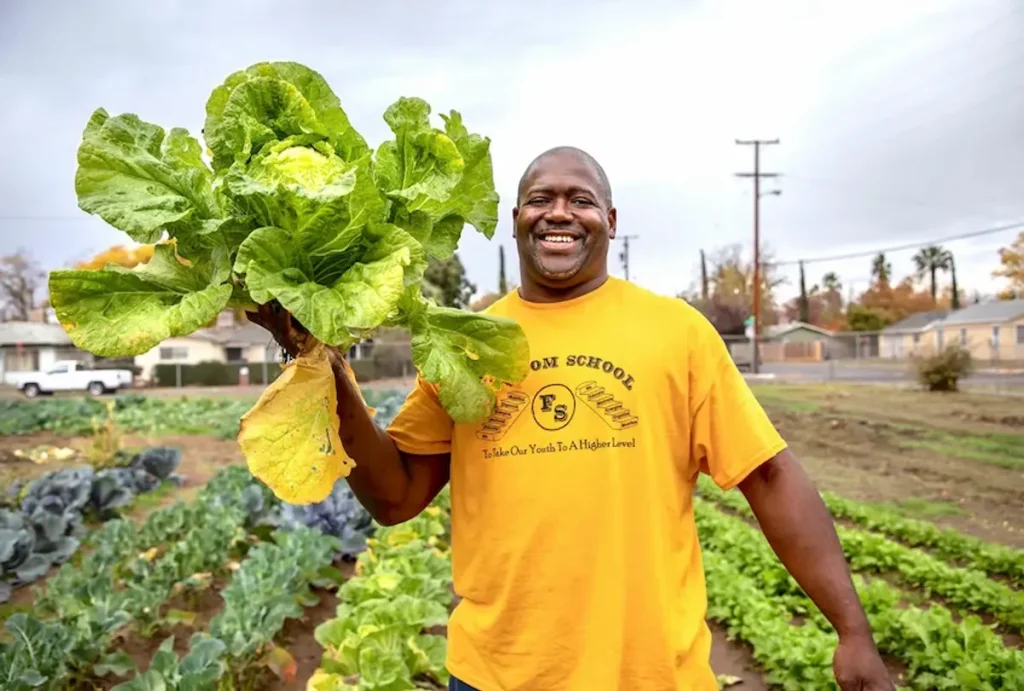
The Challenges We Solve:
✅ Unreliable power & rising energy costs (load shedding; diesel burn; cold‑chain risk)
✅ Water scarcity & quality (allocations, boreholes, variable rainfall, effluent)
✅
Soil health & volatile inputs (fertiliser, chemicals, feed)
✅
Waste & emissions (organic waste, plastics, wastewater)
✅
Traceability & compliance (GlobalG.A.P., retailer/export demands)
✅
Biosecurity & worker safety (especially poultry, livestock, pack house environments)
✅ Data visibility (knowing where losses occur to target ROI quickly)
Solution Bundles
✅
Energy‑efficient ventilation & lighting, solar‑battery for critical loads, water dosing & quality, litter management, biosecurity SOPs.
✅
Soil moisture sensing, irrigation audits, pressure & leak management, weather‑informed scheduling, fertigation optimisation.
Outcomes You Can Expect
✅ 10–30% Opex Reduction (project‑dependent)
✅ 15-40% kWh savings
✅ 15–30% Water savings
✅ 60 - 90% Waste diversion
✅
Improved resilience to load shedding and drought cycles
✅ Higher pack‑out/marketable yield and reduced shrink
✅
Simpler compliance with clear records and SOPs
✅
Lower emissions with transparent reporting
Our Partners

The Green Co partners with South Africa’s leading experts in bioremediation, Agriculture yield enhancement, and biological water‑health solutions. These partners bring decades of field experience, advanced microbial science, and proven technologies deployed across farms, aquaculture operations, and high‑value horticulture environments. Their specialised capabilities—ranging from microbial engineering and soil‑biology restoration to aquaculture water stabilisation and IoT‑based ecosystem monitoring—ensure that every solution we deliver is grounded in scientific rigor and real‑world performance. Through these partnerships, our customers consistently benefit from measurable cost savings, reduced input dependency, enhanced soil fertility, healthier water systems, and significantly improved crop and fish yields. By collaborating with the best in South Africa, The Green Co ensures that our clients grow more profitably, sustainably, and with long‑term resilience.
Who We Serve
✅
Row crops & orchards (irrigated and dryland)
✅
Horticulture & greenhouses
✅ Poultry & livestock (broilers, layers, dairy
✅
Packhouses & cold storage
✅
Agri‑processing (milling, drying, grading, value‑add
Why choose The Green Co?
✅ Science‑driven biological interventions
✅ Partnerships with leading bioremediation expert
✅
A holistic view of soil–water–crop ecosystems
✅
We don’t just treat symptoms—we restore natural systems so farms can thrive.
Sustainable Agriculture Services
Energy Resilience & Efficiency
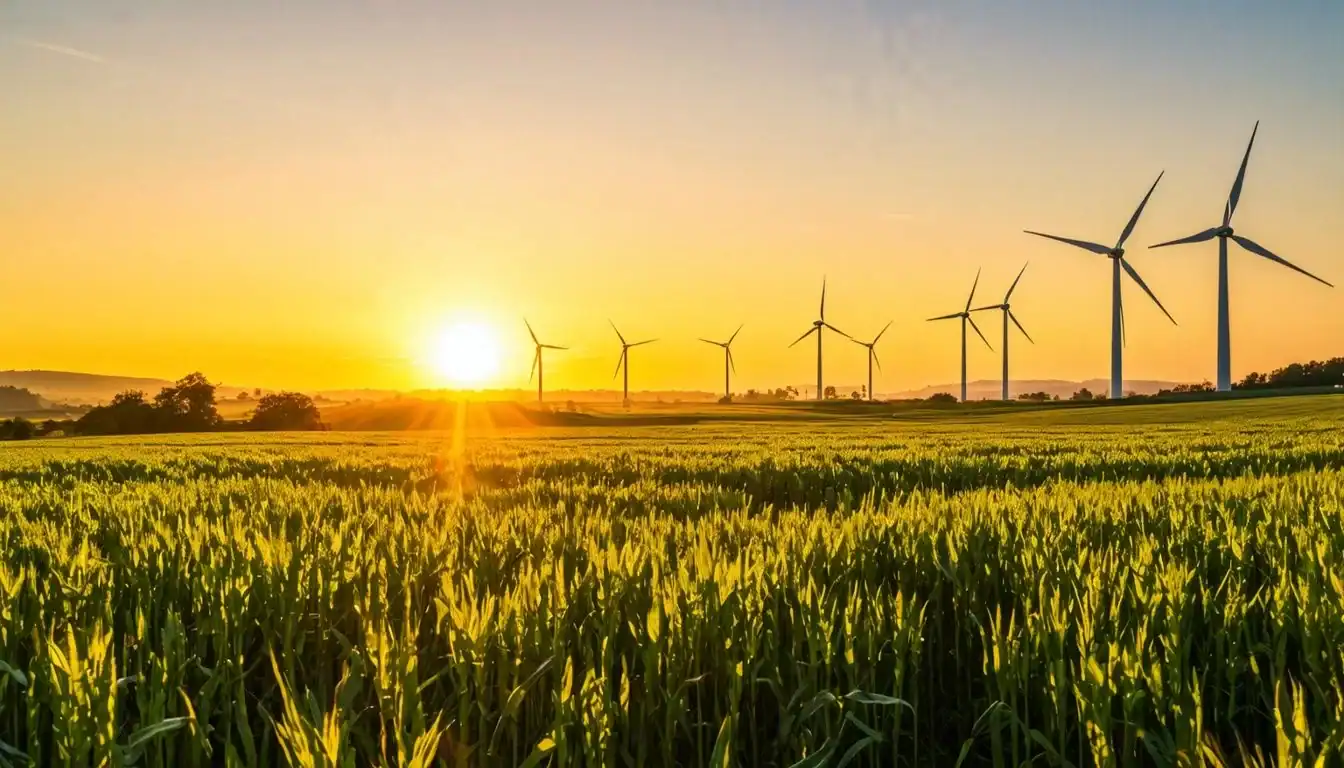
The Green Co provides truly end‑to‑end agricultural sustainability solutions that enable farmers to manage demand intelligently, reduce operating costs, and remain productive even during power interruptions. By integrating renewable energy systems, advanced monitoring, automated demand‑shifting, and highly efficient equipment, we help farms stabilise operations and protect critical processes from load shedding and rising tariffs. Our approach combines energy optimisation, water stewardship, and process engineering to ensure that irrigation, cooling, pumping, and packhouse functions continue seamlessly—using less energy, at lower cost, and with far greater resilience. The result is a more predictable, sustainable, and cost‑efficient farming operation that performs reliably today while preparing for tomorrow’s challenges.
We deliver end‑to‑end solutions—assessment, engineering design, implementation, training, and monitoring—so you see results fast and sustain them season after season.
✅ Solar PV + batteries / hybrid genset sized for critical loads (pumps, chillers, fans, lighting)
✅
High‑efficiency motors & VFDs on pumps, packhouse conveyors, ventilation
✅ Refrigeration optimisation (setpoint tuning, floating head pressure, EC fans, door management
✅
Demand management (load shifting to solar windows; automated shed load in non‑critical areas)
Typical outcomes: 15–40% kWh reduction, 20–60% diesel offset, fewer cold‑chain excursions.
Water Stewardship

Solar‑powered irrigation is a transformative solution for farms facing unreliable grid supply, rising energy costs, and the need for precise irrigation scheduling. The Green Co understands the operational constraints farmers face—load shedding during peak irrigation hours, the high cost of diesel pumping, and the pressure to optimise water use for improved yields. Our engineered solar pumping systems combine high‑efficiency solar arrays, smart controllers, variable‑speed drives, storage tanks, and soil‑moisture sensors to ensure water is delivered consistently and efficiently when crops need it most. These systems dramatically reduce operating costs, improve water‑use efficiency, eliminate dependence on unstable grid supply, and strengthen long‑term farm resilience. Whether for pivots, drip systems, or bulk water transfer, The Green Co designs turnkey solar irrigation solutions tailored to your land, crop type, water source, and budget.
✅
Irrigation optimisation (soil moisture sensors, weather‑based scheduling, pressure auditing)
✅
Leak detection & pressure management
✅
Rainwater capture & on‑farm storage; effluent/wash water reuse where safe and compliant
✅ Water quality monitoring for packhouse and livestock needs
Typical outcomes: 15–30% water savings, improved crop quality, better licence compliance.
Soil & crop health (regenerative & precision)
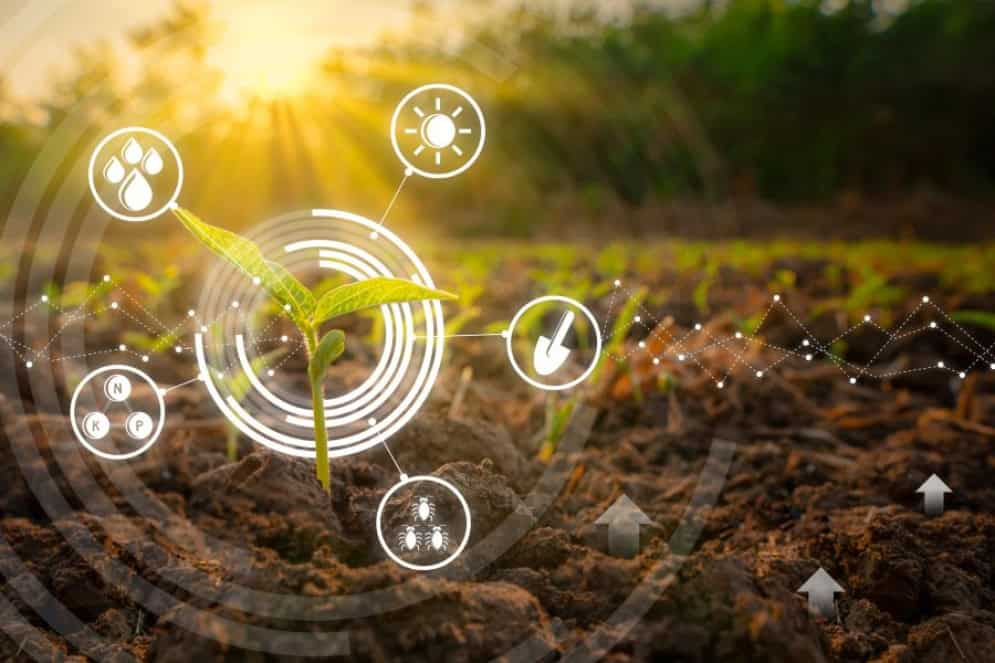
Healthy soil is the foundation of resilient, productive agriculture, and The Green Co strengthens this foundation through regenerative soil practices enhanced with modern bioremediation and IoT‑enabled intelligence. By introducing beneficial microbes, bio‑stimulants, and organic matter back into depleted soils, we help restore biological activity, unlock nutrients naturally, and build stronger root systems—leading to healthier crops, improved drought tolerance, and higher organic yield potential. IoT soil‑moisture and nutrient sensors provide real‑time data to guide irrigation, fertigation, and biological applications with precision, ensuring each intervention is efficient and targeted. The same bioremediation principles are applied to water health for aquaculture and fish‑farming environments, where microbial treatments and natural oxygenation strategies reduce harmful pathogens, improve water clarity, and stabilise pond ecosystems. This results in stronger, healthier fish, reduced disease outbreaks, and more resilient water systems that support sustainable, high‑quality production. Together, these solutions create a regenerative, data‑driven ecosystem that boosts crop performance, protects water quality, and enables long‑term agricultural resilience.
Our soil bioremediation solutions include:
✅ Beneficial microbes & bio‑stimulants to break down contaminants and unlock bound nutrients
✅ Organic matter restoration to rebuild soil carbon and improve structure
✅ Targeted microbial consortia to suppress disease‑causing pathogens
✅ Bioremediation of soil for increased crop resilience and yield
✅ Biochemical remediation to rehabilitate soils affected by chemical overuse
Expected outcomes:
✅ Stronger, more resilient crops
✅ Reduced fertiliser dependency
✅ Improved water‑holding capacity
✅ Higher organic yields
✅ Long‑term soil fertility and biological diversity
Waste‑to‑value & emissions reduction
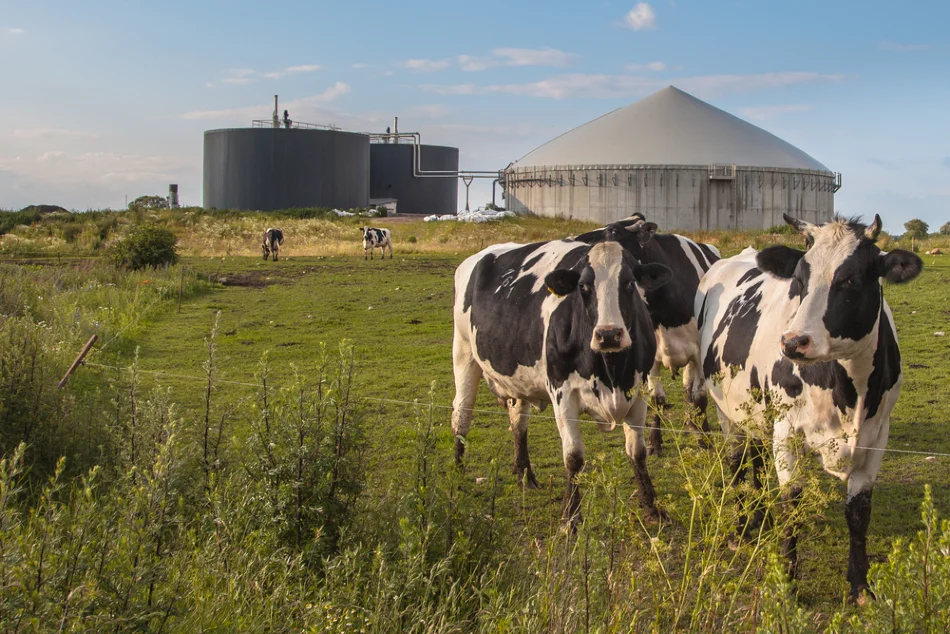
The Green Co transforms agricultural and packhouse waste streams into high‑value resources through advanced bioremediation, engineered microbial treatments, and circular‑economy design. Our waste‑to‑value approach reduces emissions, accelerates organic breakdown, and converts by‑products into regenerative inputs that support healthier soils, stronger crops, and more efficient operations.
Emissions reduction
Through the diversion of organic waste away from anaerobic decay pathways, we significantly reduce methane and CO₂ emissions. Microbial treatments stabilise organic matter, reduce odours, and support cleaner, lower‑carbon farm operations.
Compost acceleration
Bioremediation microbes dramatically enhance the speed and quality of composting. These microbial consortia break down organic material in a fraction of the usual time—shortening composting cycles from months to weeks—while producing nutrient‑dense, biologically active compost that improves soil fertility and moisture retention.
Manure‑to‑resource conversion
Livestock and poultry waste streams are transformed into valuable soil inputs through targeted microbial digestion. This process reduces harmful pathogens, stabilises nutrients, and produces safe, high‑quality organic matter for crop production.
Circular‑economy farming
We help farms close the loop by converting traditionally wasted biomass into usable resources.
This reduces dependency on synthetic fertilisers, improves soil carbon, and supports long‑term regenerative farming.
Packhouse waste optimisation
Packhouse organic waste—including trimmings, pulp, and rejected produce—is converted into enriched compost or microbial fertiliser inputs. This reduces disposal costs, lowers environmental impact, and turns waste into a valuable asset.
Waste‑to‑value & emissions reduction:
✅ On‑site waste segregation and collection workflows for
✅ Composting / bioremediation for increased pace of organic waste breakdown into rich fertiliser and clean water
✅ Biogas feasibility (manure, effluent) and flare/CHP options
✅ Recyclables programme for plastics, cardboard, pallets, drums
Typical outcomes: 60–90% diversion from landfill, measurable Scope 1 & 3 reductions.
IOT-Enabled Soil Intelligence

Real‑time data enhances decision‑making and ensures biological solutions perform at their peak.
Our IoT‑based soil monitoring systems provide
✅ Continuous moisture, salinity, and temperature readings
✅ Real‑time nutrient profiling
✅ Precision irrigation and fertigation insights
✅ Data‑driven application of biological treatments
✅ Automated alerts for crop stress conditions
This empowers farmers to apply exactly what the soil needs—no more, no less—maximising efficiency while protecting natural resources.br>
Expected Outcomes
✅
More resilient aquatic ecosystems
✅ Healthier fish stock and fewer mortalities
✅
Lower chemical usage and long‑term cost savings
✅
We don’t just treat symptoms—we restore natural systems so farms can thrive.
✅ Reduced water‑borne disease risks
Water health & aquaculture bioremediation
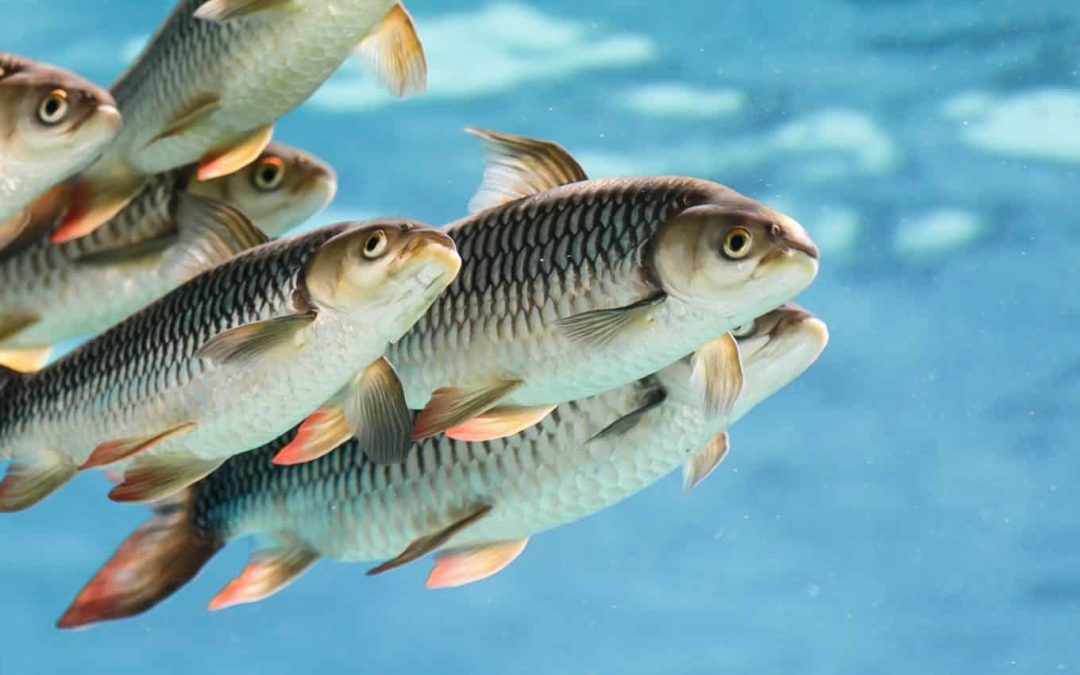
Contaminated or imbalanced water systems can devastate crops, livestock, and aquaculture operations. The Green Co deploys biological water‑health technologies to stabilise ponds, dams, and closed‑loop systems.
For farms & irrigation networks:
✅
Biological breakdown of organic sludge
✅ Pathogen control using natural microbial competitors
✅
Improved water clarity and oxygenation
✅
Reduction of harmful algae and ammonia levels
For fish farmers and aquaculture operations:
✅
Microbial blends that improve water quality and stabilise pH
✅
Natural treatments that reduce disease outbreaks
✅
Enhanced dissolved oxygen levels for healthier fish
✅
Reduction of nutrient overloads and toxic compounds
✅
Improved growth rates and survival through cleaner, balanced water ecosystems
Why Regenerative Agriculture Matters in the South African Context
Regenerative agriculture is not just an emerging global trend—it is increasingly becoming a necessity in South Africa, where farmers face some of the most severe environmental and economic pressures in the world. South Africa’s agricultural landscapes are characterised by declining soil health, nutrient‑depleted lands, and reduced soil carbon due to decades of intensive farming, chemical dependency, and over‑cultivation. At the same time, the country experiences chronic water shortages, unpredictable rainfall patterns, and prolonged drought cycles, making water‑efficient, biologically active soils essential for long‑term viability. Regenerative agriculture directly addresses these challenges by rebuilding soil organic matter, improving water infiltration, and restoring natural fertility—creating healthier, more resilient soils that retain moisture, reduce erosion, and deliver more stable yields.
Beyond soil restoration, regenerative agriculture plays a critical role in strengthening climate resilience. With rising temperatures, increased climate variability, and more frequent extreme weather events, South African farmers must adapt their production systems to withstand shocks. Regenerative practices such as cover cropping, reduced tillage, integrated livestock management, and biological soil amendments help stabilise farms, reduce reliance on synthetic fertilisers, and lower overall production risk. This shift not only reduces costs but also enhances long‑term productivity by supporting healthier ecosystems and more robust plant growth.
Economically, regenerative agriculture offers South African farmers a much‑needed buffer against volatile input prices—particularly fertilisers, chemicals, and diesel, which have seen major cost spikes in recent years. By harnessing natural soil biology, bioremediation, and organic nutrient cycles, farmers reduce dependency on expensive synthetic inputs and retain more value within their own operations. In addition, regenerative systems open opportunities for premium markets, improved export compliance, better food safety, and long‑term farm profitability.
In a country facing water scarcity, rising input costs, climate pressure, and soil degradation, regenerative agriculture is not just an alternative—it is the most sustainable and economically viable path forward. It enables South African farmers to protect their land, improve yields, reduce expenses, and build resilient agricultural systems capable of feeding future generations.
South Africa’s rivers and dams have a severe problem of microbial contamination from faecal pollutants. 53% of the sampled sites are a risk to peoples health if crops eaten raw are irrigated using this water.
Be part of the solution and not part of the problem related to groundwater contamination through ineffective farming methods and bioremediation.